PU (Polyurethane) Flooring Services in Chennai
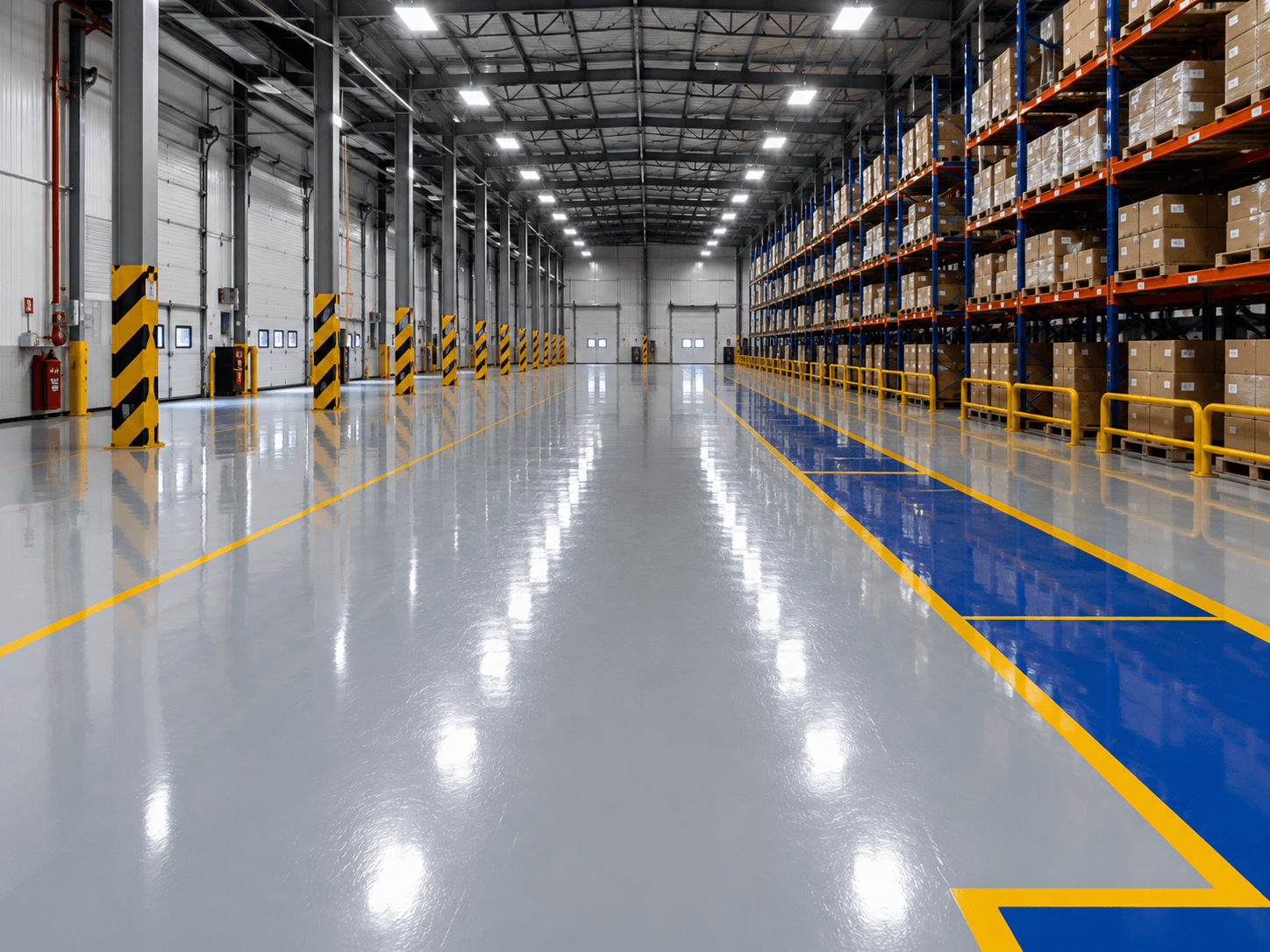
PU flooring is engineered for facilities that face heavy loads, thermal shock, or chemical exposure—offering greater flexibility and impact resistance than standard epoxy systems. PUFlooring installs premium polyurethane flooring solutions across Chennai's manufacturing, pharmaceutical, food processing, and industrial sectors.
Thermal Shock Resistance
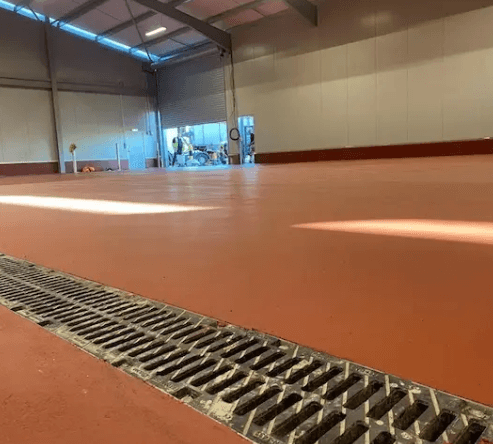
Performs reliably under extreme temperature changes and hot water wash-downs.
Heavy Industrial Use
Built to withstand heavy machinery, forklift traffic, and continuous production.
Long-Term Durability
Excellent resistance to abrasion, chemicals, and mechanical impact.
What Is PU Flooring?
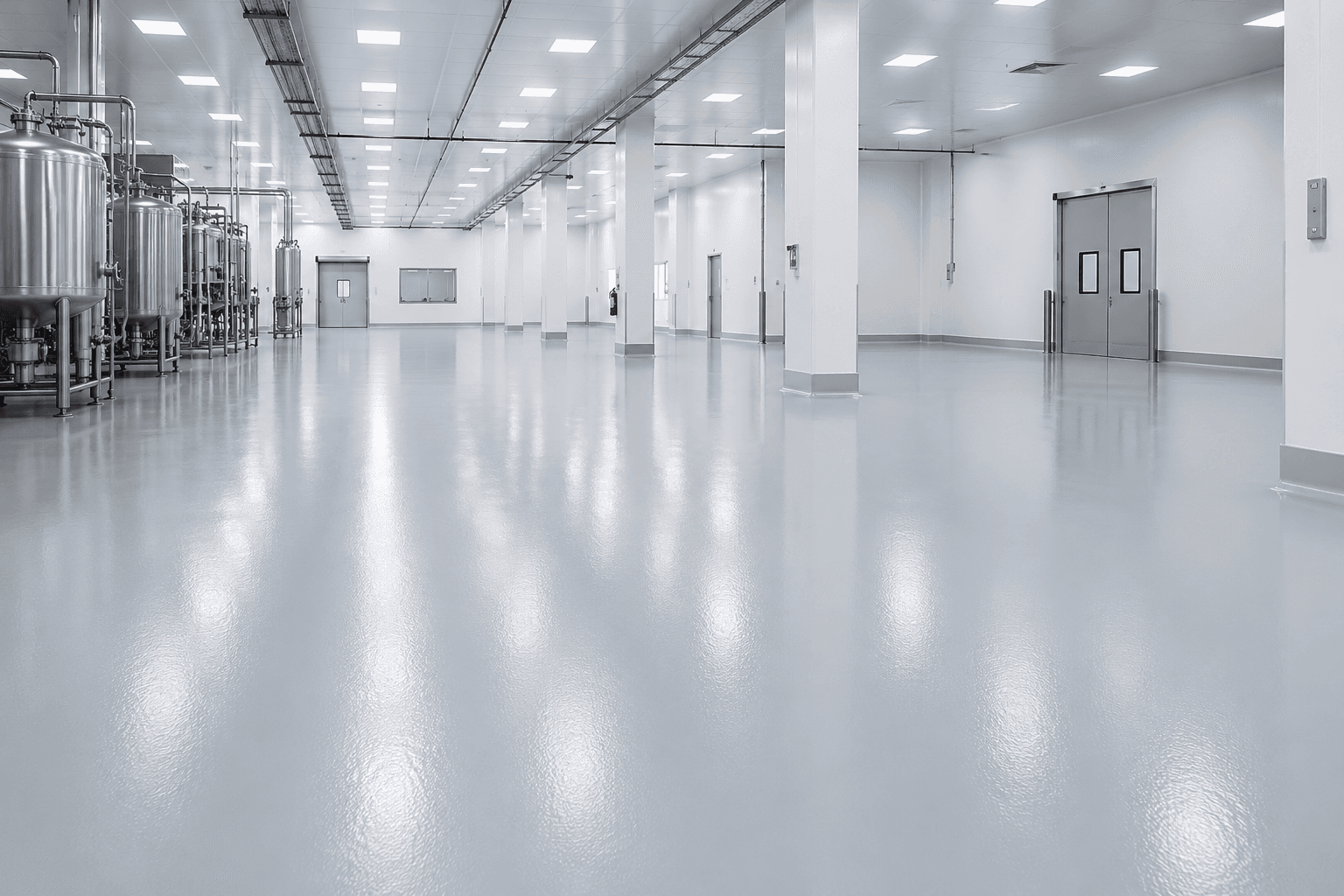
Polyurethane (PU) flooring is a high-performance resin flooring system applied in liquid form that cures into a seamless, durable surface. Unlike conventional epoxy flooring, PU flooring retains slight flexibility after curing, allowing it to withstand thermal expansion, impact, and heavy industrial loads without cracking.
Seamless Resin Flooring
Creates a continuous, joint-free surface that is hygienic, easy to clean, and resistant to dust accumulation.
Thermal Shock Resistant
Designed to withstand rapid temperature fluctuations, steam cleaning, and hot water wash-downs without failure.
Flexible & Impact Resistant
Its inherent flexibility helps absorb heavy mechanical impacts and prevents cracking under demanding industrial conditions.
Long Service Life
Excellent resistance to chemicals, abrasion, and heavy traffic ensures reliable long-term performance with minimal maintenance.
Benefits of PU Flooring
PU flooring offers superior durability, flexibility, and hygiene, making it one of the most reliable flooring systems for demanding industrial environments where thermal shock, chemicals, and heavy mechanical loads are common.
Thermal Shock Resistance
Performs exceptionally well under rapid temperature changes, hot water wash-downs, and steam cleaning applications.
Greater Flexibility
More flexible than conventional epoxy flooring, helping absorb impact and reducing the likelihood of cracks.
Chemical & Abrasion Resistance
Provides outstanding protection against chemicals, oils, solvents, abrasion, and continuous industrial traffic.
Seamless Hygienic Finish
Creates a smooth, joint-free surface that supports hygiene standards and simplifies cleaning in regulated industries.
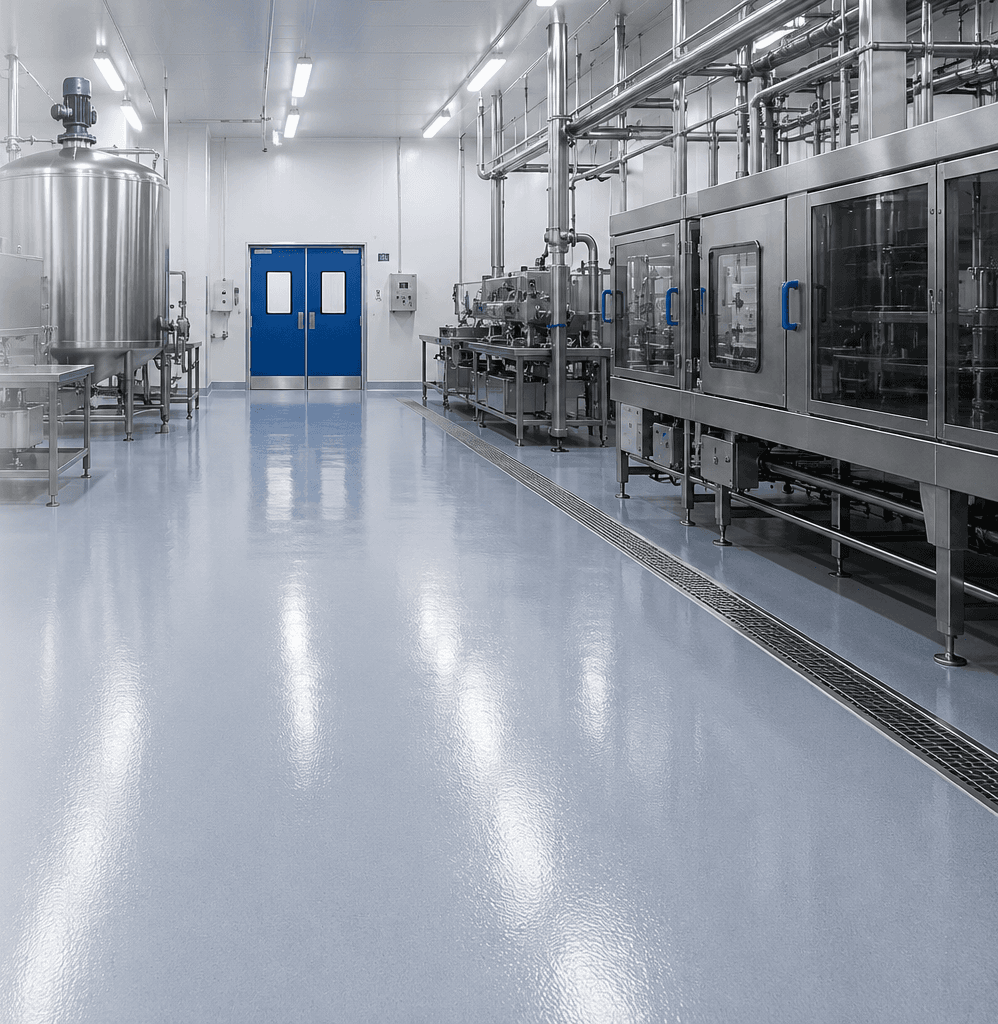
Where PU Flooring Is Used
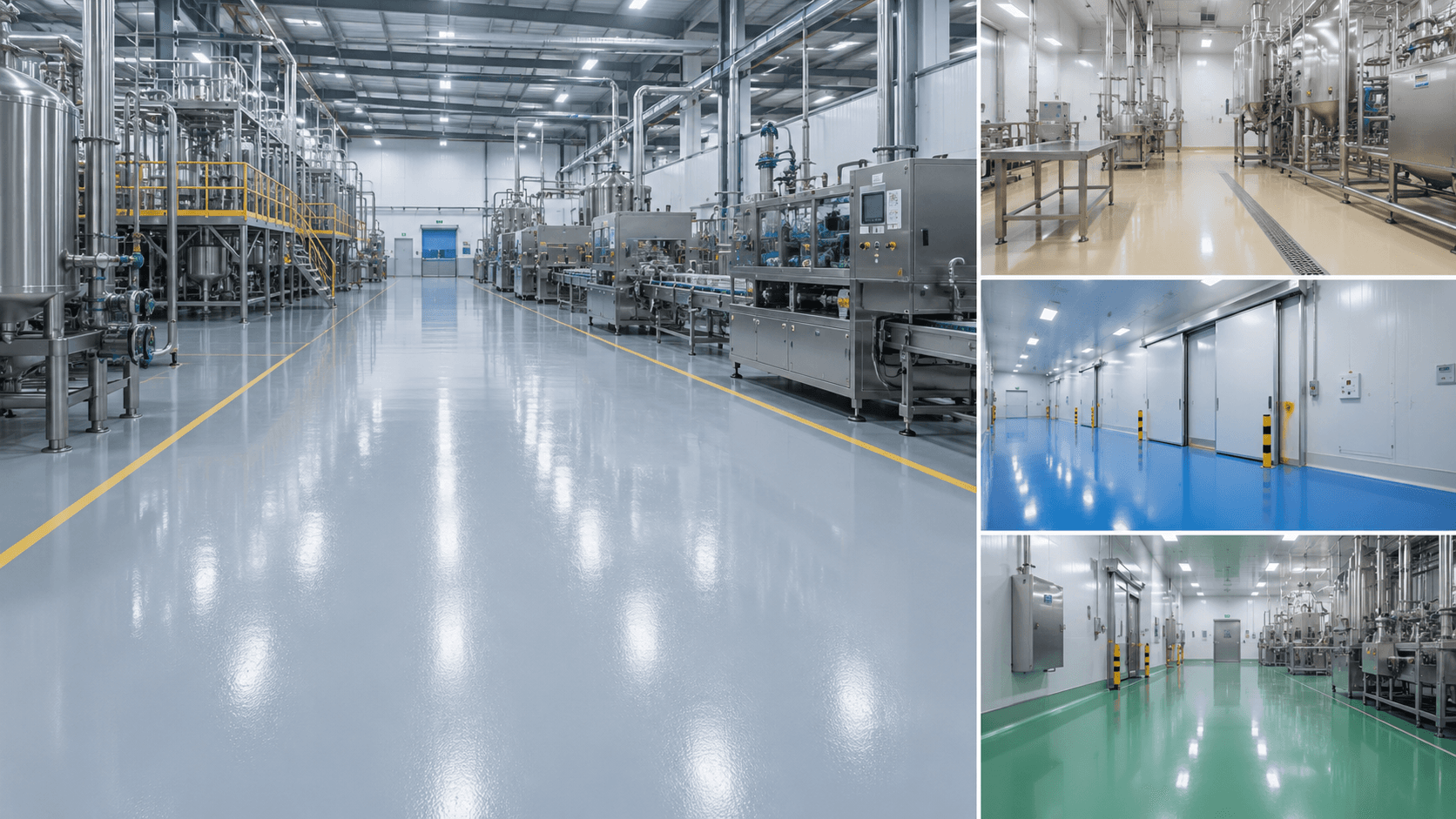
PU flooring is the preferred choice for industries where thermal shock, heavy mechanical loads, chemical exposure, and strict hygiene standards are everyday requirements. Its durability and flexibility make it ideal for demanding industrial environments.
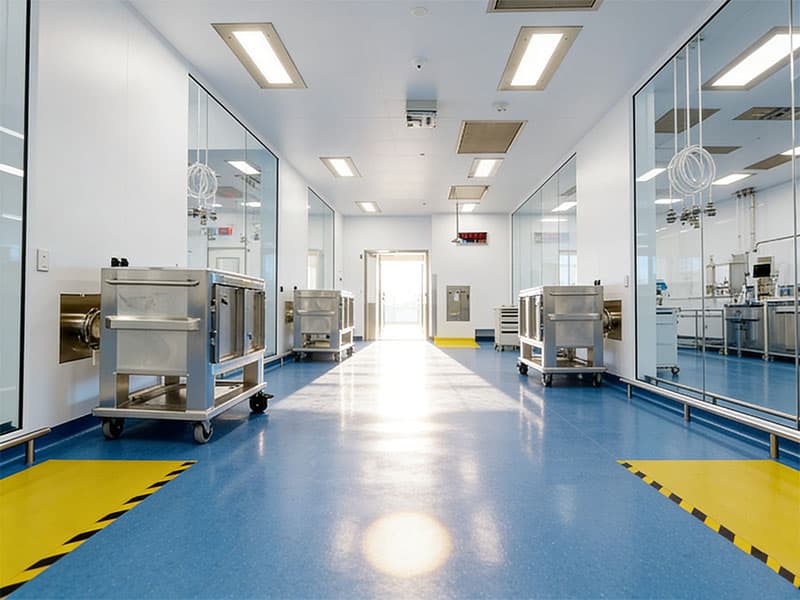
Pharmaceutical & Healthcare
Seamless, hygienic flooring systems suitable for GMP-compliant manufacturing areas, laboratories, and healthcare facilities.
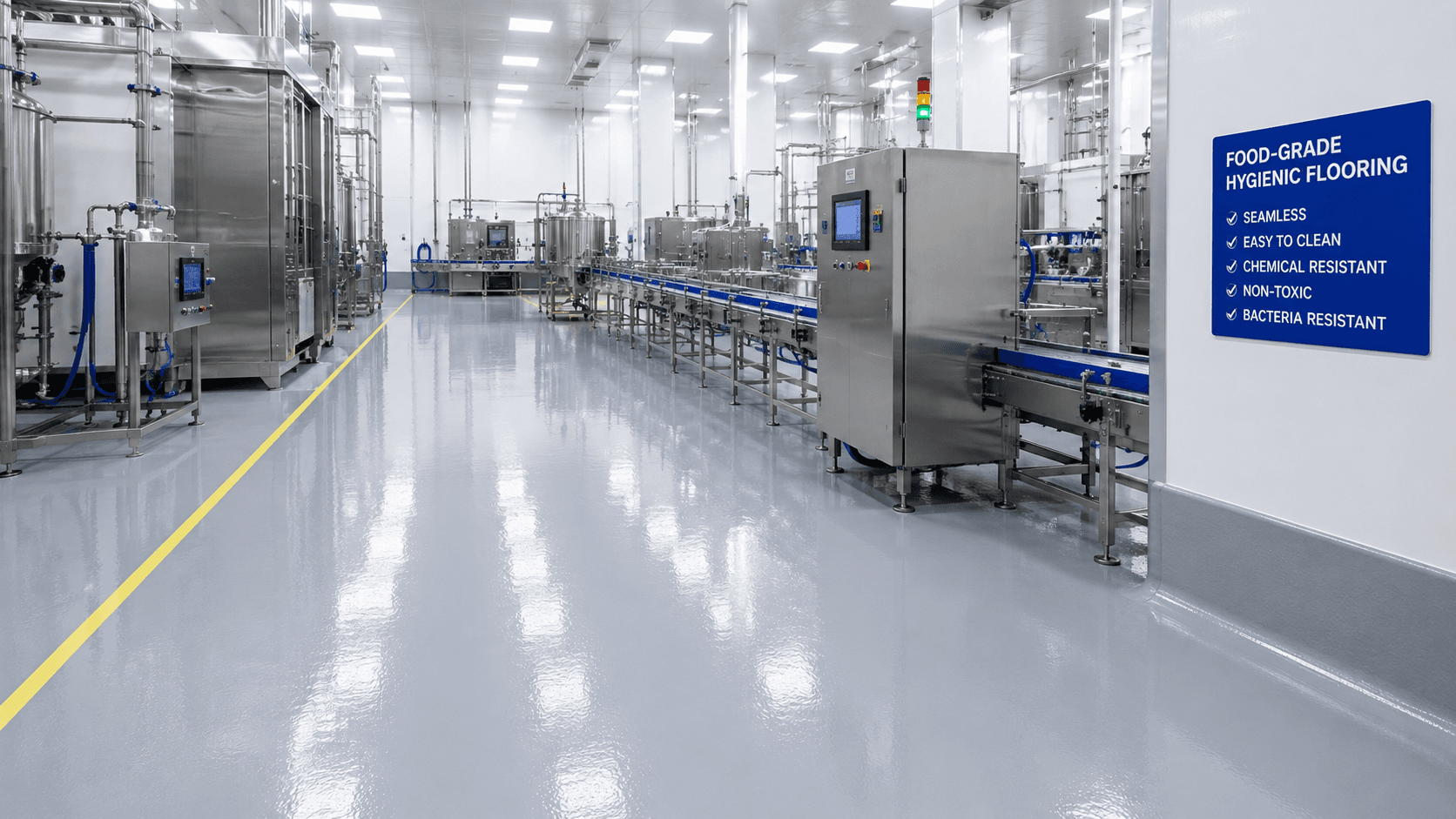
Food & Beverage Processing
Handles thermal cycling, steam cleaning, and frequent wash-down procedures while maintaining a hygienic, seamless finish.
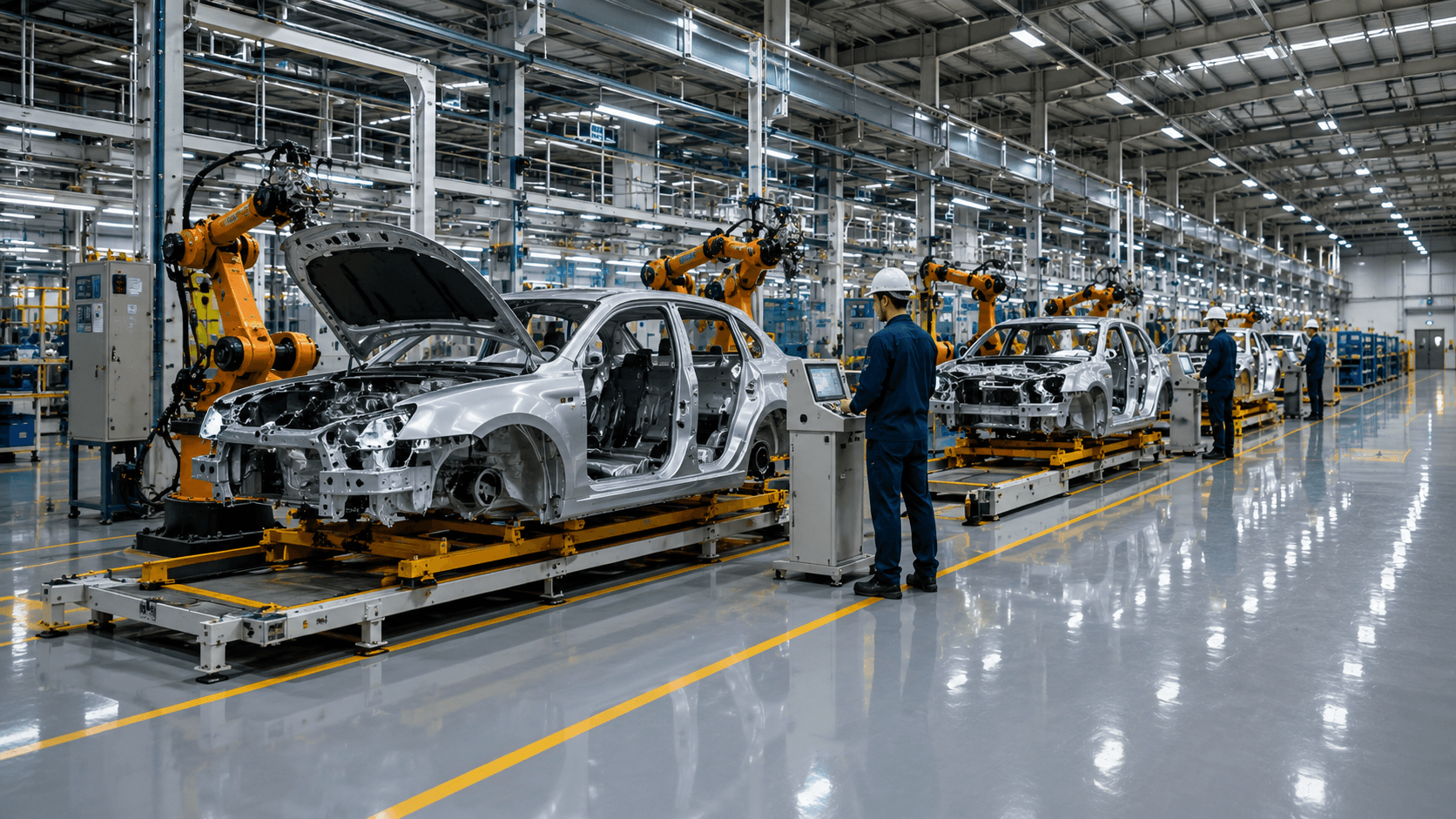
Manufacturing & Automotive
Provides excellent resistance to heavy machinery loads, impact, abrasion, oils, and industrial chemicals.
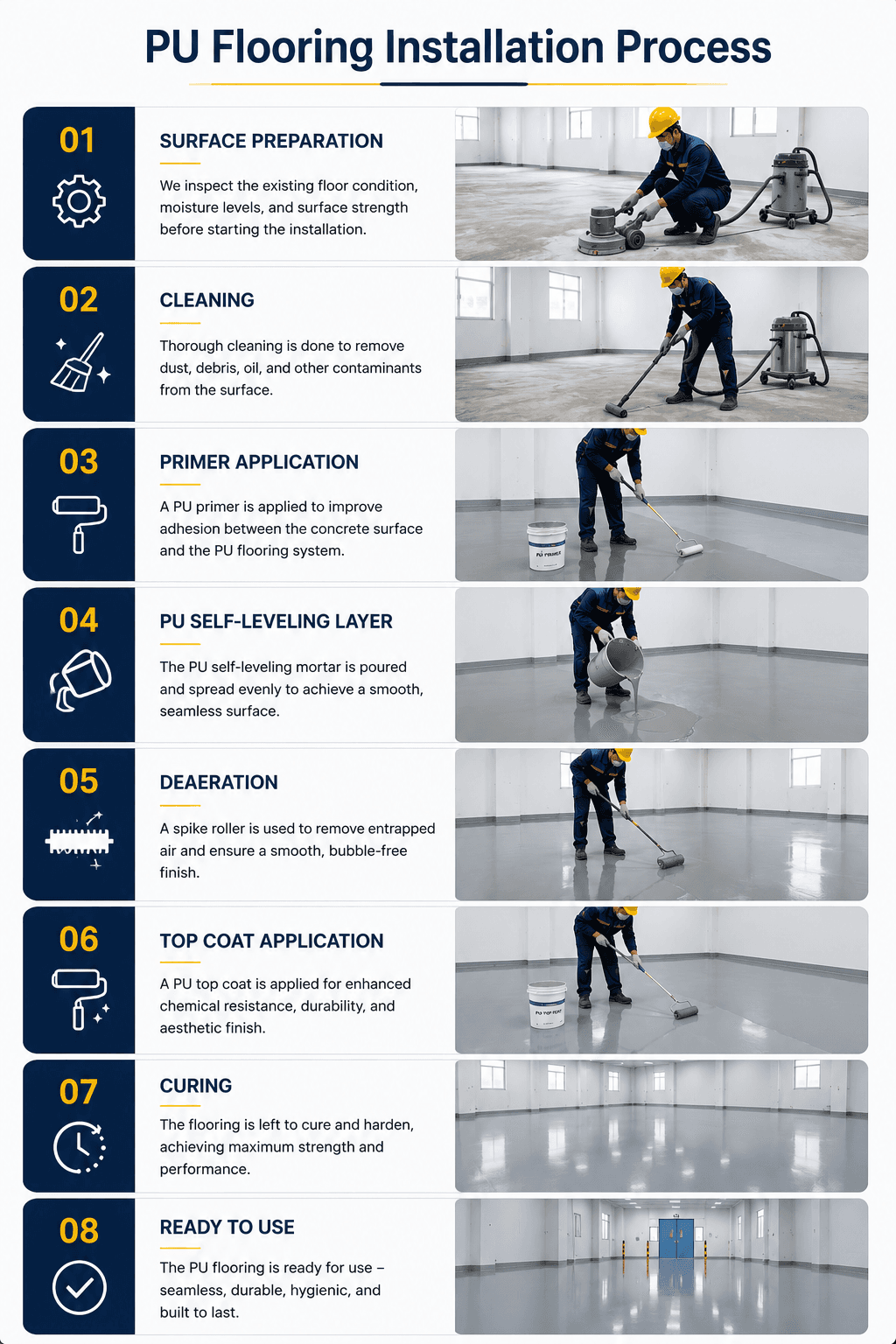
Our PU Flooring Installation Process
Every PU flooring installation follows a proven process to ensure maximum adhesion, durability, and long-term industrial performance.
Site Inspection
We inspect the existing floor condition, moisture levels, operational requirements, and environmental factors before recommending the appropriate PU flooring system.
Surface Preparation
The concrete surface is mechanically ground and cleaned to remove contaminants, ensuring excellent adhesion of the PU system.
Primer & Base Application
Industrial-grade primer and polyurethane base coats are applied uniformly to achieve superior bonding and long-term durability.
PU Flooring Installation
The polyurethane flooring system is installed at the specified thickness, producing a seamless, durable, and hygienic finish.
Final Inspection & Handover
After curing, the completed floor undergoes a comprehensive quality inspection before being handed over for operational use.
PU vs Epoxy — Which Do You Need?
Both PU and epoxy flooring are excellent industrial flooring systems, but they are designed for different operating environments. Choosing the right system depends on temperature exposure, traffic, chemical resistance requirements, and your facility's day-to-day operations.
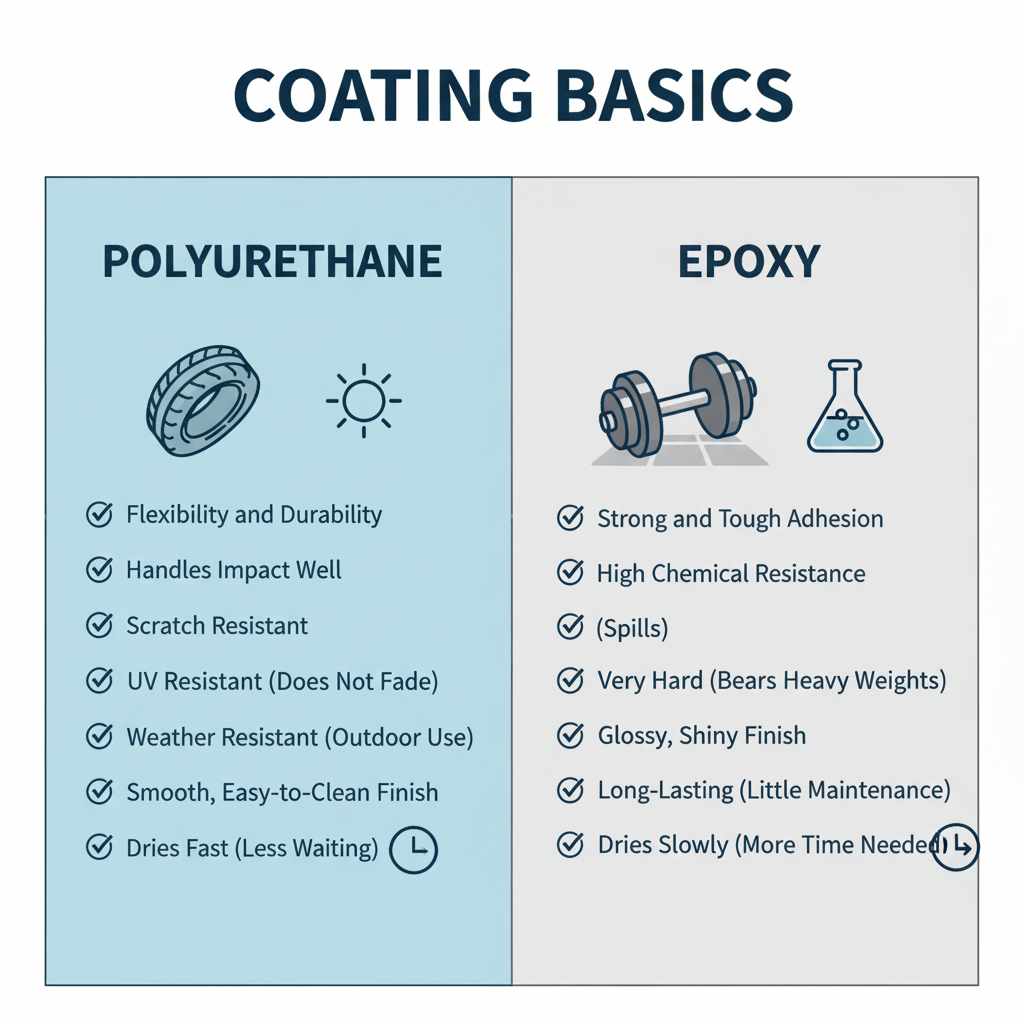
PU Flooring
Best suited for facilities exposed to thermal shock, heavy impact, steam cleaning, and demanding industrial environments.
Epoxy Flooring
Best suited for warehouses, factories, commercial buildings, and facilities requiring a durable, cost-effective flooring solution.
Our Recommendation
If your facility experiences frequent temperature changes, steam cleaning, or heavy mechanical impact, PU flooring is the preferred solution. For dry environments with moderate traffic and budget-focused projects, epoxy flooring is often the ideal choice.
Compare PU & Epoxy FlooringPU Flooring Cost Factors
Every PU flooring project is unique. The final investment depends on several technical and site-specific factors rather than a fixed price per square foot.
Floor Area
Larger installations generally reduce the overall cost per square foot compared to smaller projects.
System Thickness
The required PU flooring thickness depends on traffic loads, impact resistance, and operational conditions.
Substrate Condition
Damaged or uneven concrete may require additional repairs and preparation before installation.
Surface Preparation
Grinding, shot blasting, crack repairs, and moisture treatment influence project cost.
Application Environment
Cold storage, pharmaceutical cleanrooms, food processing plants, and heavy manufacturing facilities may require specialized systems.
Project Timeline
Fast-track installations, night work, or shutdown schedules can affect labor and execution costs.
Need an Accurate Estimate?
The best way to receive accurate pricing is through a free site inspection and technical assessment by our flooring specialists.
Request a Free Site AssessmentPU Flooring FAQs
Find answers to common questions about polyurethane flooring, installation, durability, maintenance, and industrial applications.
PU (Polyurethane) flooring is a seamless resin flooring system designed for industrial environments requiring excellent thermal shock resistance, flexibility, and chemical resistance.
PU flooring is more flexible and performs better under thermal shock, heavy impact, and steam cleaning. Epoxy flooring is generally preferred for dry environments where chemical resistance and cost-efficiency are the primary requirements.
PU flooring is widely used in pharmaceutical facilities, food & beverage processing plants, manufacturing units, automotive industries, healthcare facilities, and heavy industrial environments.
Yes. PU flooring offers excellent resistance to oils, chemicals, cleaning agents, solvents, and industrial contaminants commonly found in manufacturing and processing plants.
Yes. PU flooring is engineered for heavy industrial traffic, including forklifts, pallet trucks, production machinery, and continuous operational loads.
With professional installation and proper maintenance, PU flooring provides many years of reliable industrial performance while maintaining its durability and appearance.
Looking for a Reliable PU Flooring Solution?
Whether you're constructing a new industrial facility or upgrading an existing floor, our specialists will recommend the ideal polyurethane flooring system based on your operational requirements.